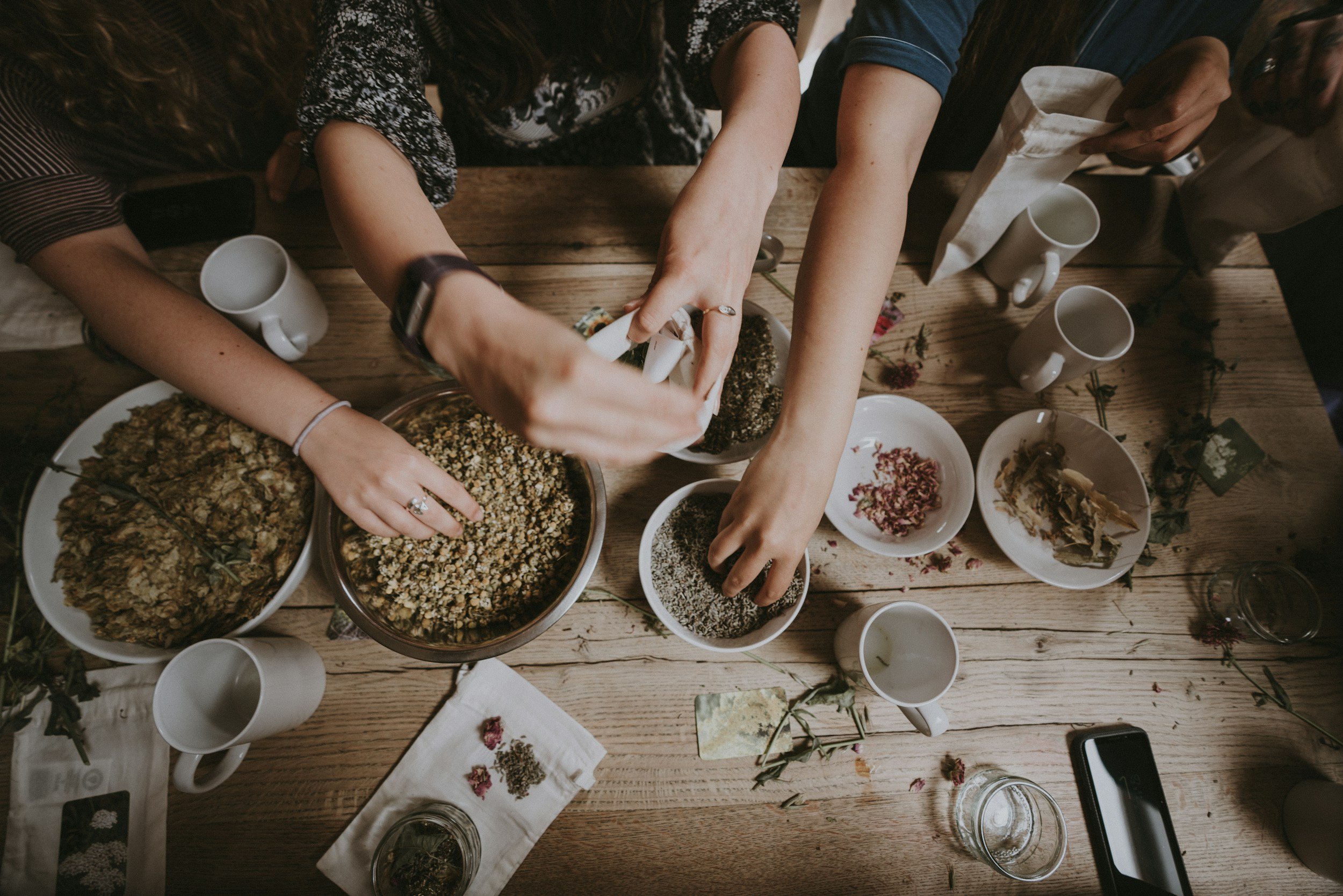
I’m Jane, an herbal, movement and nutrition practitioner helping women nourish their bodies, find restoration, and cultivate a long and fulfilling life.
Meet Jane
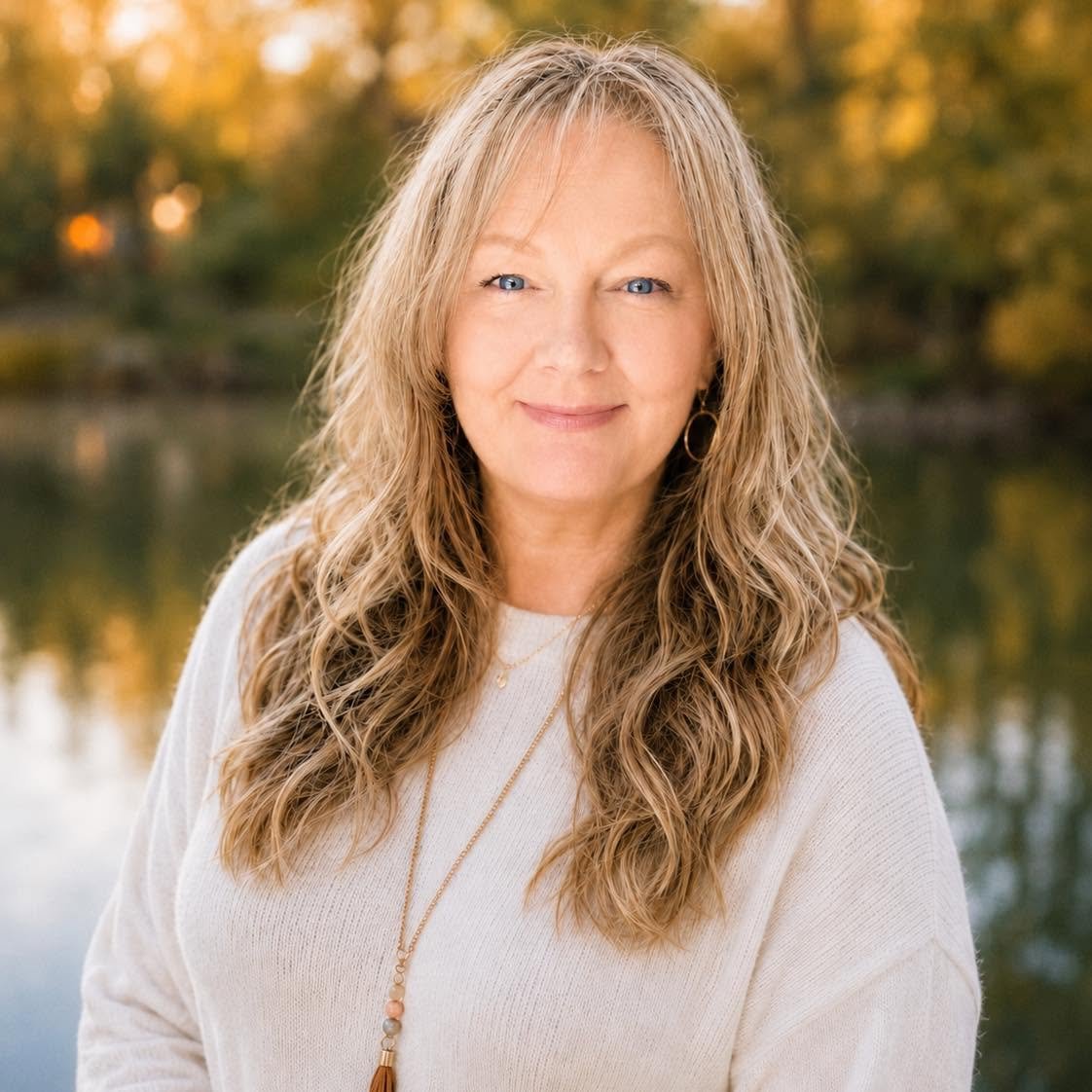
Jane Hanna Stoudt,
R-CYATH, CH, HFC
Registered Christian Yoga Therapist, Clinical Herbalist, Human Flourishing Coach and Mediterranean Nutritionist
For more than three decades, I have been drawn to understanding the human body, the natural world, and the many things that influence our health and well-being. What began as a personal interest in natural healing gradually developed into a lifelong pursuit of knowledge, extensive education, professional experience, and a desire to help others better understand how to care for themselves. Throughout those years, I have studied medicinal plants, nutrition, traditional healing systems, human physiology, psychology, yoga therapy, and the relationship between our physical and emotional well-being. Although these subjects may appear to be separate disciplines, I have come to understand that they are deeply connected. That understanding, shaped by both my professional work and my own experiences, eventually became the foundation of Women's Whole Health Academy.
My journey into the healing arts began with a curiosity about the relationship between plants and human health. I was fascinated by the ways medicinal herbs had been used throughout history and wanted to understand not only their traditional applications but also the science behind their actions. Over the years, I pursued extensive independent study and formal herbal education, including coursework through The Herbal Academy in materia medica, herbal formulation, botanical safety, plant chemistry, herbal preparations, and the principles of Western herbalism. My education has also included aromatherapy, herbal energetics, botanical identification, and traditional systems of medicine. The more I studied, the more I appreciated the remarkable complexity of medicinal plants and the importance of understanding the individual person rather than simply selecting an herb for a particular concern.
In 2012, I began working independently with herbal clients, allowing me to bring years of botanical study into practical application. Over time, my work became increasingly focused on women experiencing chronic stress, digestive concerns, nervous system dysregulation, sleep disturbances, fatigue, and the physical effects of prolonged emotional strain. Through individualized consultations, herbal preparations, educational guidance, and follow-up support, I learned the importance of listening carefully to each woman's history and understanding the circumstances that influence her well-being. My approach has always been rooted in the belief that no two women are exactly alike and that thoughtful wellness support should reflect the individuality of the person receiving it. This experience also reinforced something I had come to believe through my studies: meaningful health education can be just as valuable as the recommendations themselves. When women understand why they are making certain choices, they become more confident and active participants in caring for themselves.
Alongside my work in herbalism, I pursued a deeper understanding of movement, restorative practices, and the relationship between the nervous system and physical health. In 2016, I completed a 900-hour yoga therapy certification through Holy Yoga, followed by additional training in trauma-sensitive yoga, Yin yoga, therapeutic movement, breath awareness, and somatic practices. These studies expanded my understanding of how stress and emotional experiences can influence the body, particularly through muscular tension, breathing patterns, sleep, digestion, and nervous system responses. As a Christian yoga therapist, my personal approach to restorative movement is also shaped by my faith and the belief that caring for our bodies is an expression of gratitude and stewardship. I came to appreciate that movement does not always need to be strenuous to be meaningful and that learning to rest, regulate stress, and become more attentive to our bodies can be an important part of maintaining well-being.
My education has extended beyond herbalism and yoga therapy into nutrition, psychology, and other traditional approaches to health. I have explored Mediterranean dietary patterns, whole-food nourishment, digestive wellness, and the relationship between nutrition, metabolic health, and healthy aging. My studies in Ayurveda and traditional Chinese medicine introduced me to different ways of understanding constitution, seasonal rhythms, digestion, and individualized wellness. I have also completed psychology and Christian counseling coursework through Liberty University and Light University, along with training and independent study in trauma-informed practices, stress physiology, neurobiology, and emotional well-being. These disciplines have enriched my understanding of how our daily habits, experiences, relationships, and environments interact with our physical health. Although each tradition offers its own perspective, studying them has encouraged me to remain curious, evaluate information thoughtfully, and appreciate that whole-person wellness cannot be reduced to a single method or philosophy.
While my studies and professional experiences have shaped my understanding of health, some of my most important lessons have come through my own personal journey. For many years, I lived with extraordinary levels of stress while navigating the responsibilities and challenges of everyday life. During that time, I experienced numerous health concerns and received diagnoses that included fibromyalgia, anxiety, depression, and Multiple Sclerosis. There were periods when my health seemed to be affected by nearly every aspect of my life, and I spent years trying to understand what was happening within my body. As I continued studying health and exploring different approaches to wellness, I became increasingly aware of the relationship between prolonged stress, emotional well-being, and physical symptoms. My personal experience taught me that the circumstances in which we live, the demands we carry, and the ways we respond to stress deserve serious attention when considering our overall health.
Over time, my health improved, and many of the conditions that had once been part of my daily life were no longer defining my experience. I believe that reducing chronic stress, learning to cultivate restorative habits, and changing the way I approached life played important roles in that improvement. Yet one of the most meaningful changes was not simply physical. It was a change in the way I thought about myself and my body. For much of my life, I had viewed my body as something that needed to be fixed. There was always something I wanted to change, something I believed should be different, or another goal I thought I needed to reach before I could fully appreciate myself. Eventually, I began to recognize how much that perspective had influenced the way I approached my health. I started asking what might happen if I learned to care for my body from a place of gratitude rather than frustration. That question opened the door to a different understanding of wellness, one rooted in nourishment, respect, patience, and appreciation for the life my body had carried me through.
That experience also deepened my interest in human flourishing, a subject that has become increasingly important in both my personal life and professional development. I have come to believe that health is not simply about the absence of illness, achieving a particular weight, or living as many years as possible. It is also about the quality of those years and our ability to experience meaning, purpose, connection, creativity, and joy. My continued education in human flourishing and Christian counseling has encouraged me to consider the broader dimensions of well-being, including our relationships, emotional lives, spiritual beliefs, and the ways we find fulfillment in everyday experiences. As a Christian, my faith provides an important foundation for my own understanding of human dignity, gratitude, and stewardship, while my hope for the Academy is that women from many different backgrounds will feel welcome to learn and explore their health with curiosity and respect.
The idea for Women's Whole Health Academy grew gradually from all of these experiences. After decades of studying, practicing, teaching, and navigating my own health journey, I began thinking about how much information women are expected to sort through when trying to care for themselves. We live in a time when wellness advice is everywhere, yet it can be surprisingly difficult to find education that is approachable, thoughtful, and grounded in a genuine understanding of the whole person. Women are constantly being told what they should eat, how they should exercise, what they need to change, and which new wellness trend they should follow. I wanted to create a place where women could move beyond that noise and begin developing a deeper understanding of their bodies, their individual needs, and the many ways they can support their well-being.
Women's Whole Health Academy is the culmination of that vision. It brings together my background in herbalism, nutrition, restorative practices, traditional healing systems, human behavior, and educational development into a comprehensive resource dedicated to women's whole-person health. Through our 12 Foundations of Whole Health, the Academy explores the many subjects that contribute to well-being, including medicinal plants, Mediterranean nutrition, Ayurveda, movement, sleep, digestive health, healthy weight management, relationships, stress resilience, and human flourishing. My intention is not to suggest that every woman needs to follow the same approach or adopt every wellness practice. Rather, I want to make meaningful education available so that each woman can discover the knowledge and practical tools that are most relevant to her own life.
Although the Academy welcomes adult women at every stage of life, I have a particular interest in supporting women navigating midlife and beyond. These years often bring changes in our bodies, responsibilities, relationships, and priorities, yet they can also offer a wonderful opportunity to reconsider how we want to live. I believe women deserve to approach these transitions with knowledge rather than fear and with a sense of possibility rather than the assumption that growing older must mean losing vitality. Through educational articles, botanical resources, practical guides, and online courses, my hope is to help women better understand these changes and discover sustainable ways to care for themselves throughout the years ahead.
I also believe that meaningful wellness education should be accessible. Knowledge about our bodies and the natural world should not be reserved only for those who can afford expensive programs or professional training. This belief is part of the reason I chose to develop the Academy around approachable learning resources and flexible course contributions. Whether a woman comes here to learn about a single medicinal herb, explore the relationship between stress and digestion, understand the changes of menopause, or develop a more nourishing daily routine, I want her to find information that is useful, understandable, and respectful of her circumstances.
Above all, I created Women's Whole Health Academy because I believe that women deserve more than a lifetime spent trying to fix themselves. We deserve the opportunity to understand our bodies, care for them with gratitude, and make choices that support the lives we want to live. My greatest hope is that the Academy becomes a place where women feel encouraged to learn, ask questions, explore new possibilities, and recognize that caring for their health can be a meaningful and rewarding part of everyday life. After more than three decades of learning and experiencing so many different aspects of health and healing, I continue to believe that there is always something new to discover and that our capacity to grow, adapt, and flourish does not disappear as we grow older.
If there is one thing I hope every woman takes away from the Academy, it is that caring for our health is not simply about adding more years to our lives. It is about nurturing the vitality, understanding, and freedom to enjoy the years we have been given. That is the philosophy behind Women's Whole Health Academy, and it is the reason I am so grateful to share this work with you.
Christie Jane Stoudt
Founder, Women's Whole Health Academy
Learn More About Jane
-
My education in herbalism spans more than three decades of independent study, formal coursework, and practical experience. Since 2012, I have worked independently with herbal clients, with a particular focus on women experiencing chronic stress, digestive concerns, sleep disturbances, and nervous system-related challenges. My botanical education includes extensive coursework through The Herbal Academy in Western herbalism, materia medica, herbal actions, plant chemistry, herbal energetics, botanical formulation, herbal safety, and traditional preparations. My continued study explores the relationship between medicinal plants, human physiology, and individualized approaches to botanical wellness.
-
In 2016, I completed a 900-hour Yoga Therapy Certification through Holy Yoga, along with additional education in trauma-sensitive yoga, Yin yoga, restorative movement, breathwork, and somatic practices. My training has emphasized anatomy, physiology, nervous system regulation, trauma awareness, and the therapeutic applications of movement and relaxation. As a Christian yoga therapist, I bring together these disciplines with a faith-informed understanding of whole-person well-being, emphasizing the importance of rest, physical awareness, and caring for the body with gratitude.
-
My continuing education in nutrition and traditional wellness includes Mediterranean dietary patterns, whole-food nourishment, digestive health, metabolic wellness, Ayurveda, and traditional Chinese medicine. These studies have introduced me to different perspectives on constitution, digestion, seasonal rhythms, food traditions, and individualized approaches to healthy living. I am especially interested in how nourishment, daily habits, and traditional food wisdom can support women's vitality and long-term well-being.
-
My educational background includes psychology and Christian counseling coursework through Liberty University and Light University, along with extensive study of trauma-informed practices, stress physiology, neurobiology, somatic awareness, and emotional well-being. I have also pursued education in human flourishing, exploring the relationships between physical health, emotional resilience, meaningful relationships, purpose, and spiritual well-being. These studies have shaped my understanding of how our experiences, environments, and daily patterns influence our overall health and quality of life.
-
Throughout my professional life, I have been passionate about sharing knowledge in ways that are approachable and meaningful. My experience includes developing written educational materials, teaching in community settings, creating online learning resources, and sharing information about botanical wellness, restorative practices, and whole-person health. As a writer and artist, I bring creativity, storytelling, and visual communication into my educational work. Women's Whole Health Academy represents the continuation of that lifelong interest in learning, teaching, and helping women develop the knowledge and confidence to care for themselves.